Emission standards for particle filter cars refer to regulations that limit the amount of harmful pollutants that vehicles can emit. These standards are designed to reduce air pollution and improve public health.
In the context of diesel engines, particulate filters (DPFs) are used to capture and reduce particulate matter (PM), which includes soot and other fine particles. The emission standards set maximum allowable levels of PM and other pollutants, such as nitrogen oxides (NOx), hydrocarbons, and carbon monoxide.
Different regions have varying standards, such as Euro 6 in Europe, which has specific limits for new vehicles. Cars equipped with DPFs are required to meet these standards by efficiently filtering out soot and regenerating to burn off accumulated particulates. Compliance with these standards often involves regular testing and monitoring to ensure vehicles remain within the allowed emissions limits throughout their lifespan.
Emission standards for particle filter cars refer to regulations that limit the amount of harmful pollutants that vehicles can emit. These standards are designed to reduce air pollution and improve public health.
In the context of diesel engines, particulate filters (DPFs) are used to capture and reduce particulate matter (PM), which includes soot and other fine particles. The emission standards set maximum allowable levels of PM and other pollutants, such as nitrogen oxides (NOx), hydrocarbons, and carbon monoxide.
Different regions have varying standards, such as Euro 6 in Europe, which has specific limits for new vehicles. Cars equipped with DPFs are required to meet these standards by efficiently filtering out soot and regenerating to burn off accumulated particulates. Compliance with these standards often involves regular testing and monitoring to ensure vehicles remain within the allowed emissions limits throughout their lifespan.
Emission standards for particle filter cars refer to regulations that limit the amount of harmful pollutants that vehicles can emit. These standards are designed to reduce air pollution and improve public health.
In the context of diesel engines, particulate filters (DPFs) are used to capture and reduce particulate matter (PM), which includes soot and other fine particles. The emission standards set maximum allowable levels of PM and other pollutants, such as nitrogen oxides (NOx), hydrocarbons, and carbon monoxide.
Different regions have varying standards, such as Euro 6 in Europe, which has specific limits for new vehicles. Cars equipped with DPFs are required to meet these standards by efficiently filtering out soot and regenerating to burn off accumulated particulates. Compliance with these standards often involves regular testing and monitoring to ensure vehicles remain within the allowed emissions limits throughout their lifespan.
Emission standards for particle filter cars refer to regulations that limit the amount of harmful pollutants that vehicles can emit. These standards are designed to reduce air pollution and improve public health.
In the context of diesel engines, particulate filters (DPFs) are used to capture and reduce particulate matter (PM), which includes soot and other fine particles. The emission standards set maximum allowable levels of PM and other pollutants, such as nitrogen oxides (NOx), hydrocarbons, and carbon monoxide.
Different regions have varying standards, such as Euro 6 in Europe, which has specific limits for new vehicles. Cars equipped with DPFs are required to meet these standards by efficiently filtering out soot and regenerating to burn off accumulated particulates. Compliance with these standards often involves regular testing and monitoring to ensure vehicles remain within the allowed emissions limits throughout their lifespan.
Emission standards for particle filter cars refer to regulations that limit the amount of harmful pollutants that vehicles can emit. These standards are designed to reduce air pollution and improve public health.
In the context of diesel engines, particulate filters (DPFs) are used to capture and reduce particulate matter (PM), which includes soot and other fine particles. The emission standards set maximum allowable levels of PM and other pollutants, such as nitrogen oxides (NOx), hydrocarbons, and carbon monoxide.
Different regions have varying standards, such as Euro 6 in Europe, which has specific limits for new vehicles. Cars equipped with DPFs are required to meet these standards by efficiently filtering out soot and regenerating to burn off accumulated particulates. Compliance with these standards often involves regular testing and monitoring to ensure vehicles remain within the allowed emissions limits throughout their lifespan.
Emission standards for particle filter cars refer to regulations that limit the amount of harmful pollutants that vehicles can emit. These standards are designed to reduce air pollution and improve public health.
In the context of diesel engines, particulate filters (DPFs) are used to capture and reduce particulate matter (PM), which includes soot and other fine particles. The emission standards set maximum allowable levels of PM and other pollutants, such as nitrogen oxides (NOx), hydrocarbons, and carbon monoxide.
Different regions have varying standards, such as Euro 6 in Europe, which has specific limits for new vehicles. Cars equipped with DPFs are required to meet these standards by efficiently filtering out soot and regenerating to burn off accumulated particulates. Compliance with these standards often involves regular testing and monitoring to ensure vehicles remain within the allowed emissions limits throughout their lifespan.
Emission standards for particle filter cars refer to regulations that limit the amount of harmful pollutants that vehicles can emit. These standards are designed to reduce air pollution and improve public health.
In the context of diesel engines, particulate filters (DPFs) are used to capture and reduce particulate matter (PM), which includes soot and other fine particles. The emission standards set maximum allowable levels of PM and other pollutants, such as nitrogen oxides (NOx), hydrocarbons, and carbon monoxide.
Different regions have varying standards, such as Euro 6 in Europe, which has specific limits for new vehicles. Cars equipped with DPFs are required to meet these standards by efficiently filtering out soot and regenerating to burn off accumulated particulates. Compliance with these standards often involves regular testing and monitoring to ensure vehicles remain within the allowed emissions limits throughout their lifespan.
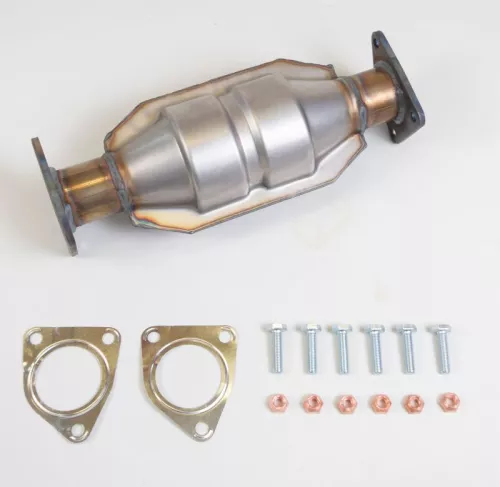
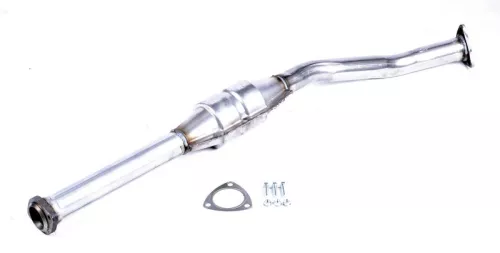
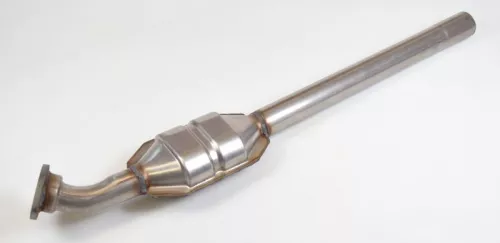
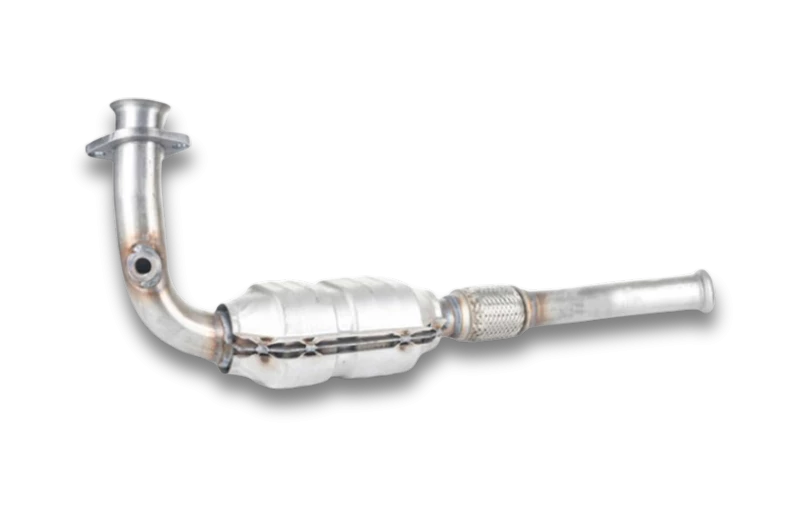
AHG GmbH bietet Ihnen eine große Auswahl an schönen und luxuriösen Katalysator. Wir haben Katalysator in verschiedenen Stile wie Metropolitan, Modern, Landhaus oder Luxuriös. Wir haben ein passendes Katalysator für jeden Lebensstil und Geschmack.

Cookie-Einwilligung
Wir verwenden Cookies und andere Technologien, um Sie zu personalisieren, Ihnen Werbung zu machen und diese zu analysieren. Wir verwenden diese Cookies nicht, um sie verwenden zu können, damit sie hier eingenommen werden können. Weitere Informationen zum Datenschutz finden Sie hier
Lesen Sie mehr über die Cookies, die wir verwenden und welche Cookies Sie benötigen.
Erforderlich
Erfahren Sie mehr über die von uns verwendeten Cookies und wählen Sie aus, welche Cookies Sie zulassen möchten.
Personalisierung
Diese Cookies speichern Informationen über Ihre Aktionen, um Ihren nächsten Besuch auf der Website zu personalisieren.
Marketing
Diese Cookies werden von uns und unseren Partnern, einschließlich Shopify, verwendet, um die Marketingkommunikation zu optimieren und Ihnen Werbung auf anderen Websites anzuzeigen.
Analyse
Diese Cookies helfen uns zu verstehen, wie Sie mit der Website interagieren. Wir nutzen diese Daten, um Verbesserungspotenzial zu erkennen.